
THE APEX TIMES
Federal judge strikes down $100,000 H-1B fee as unlawful tax; Trump criticizes ruling
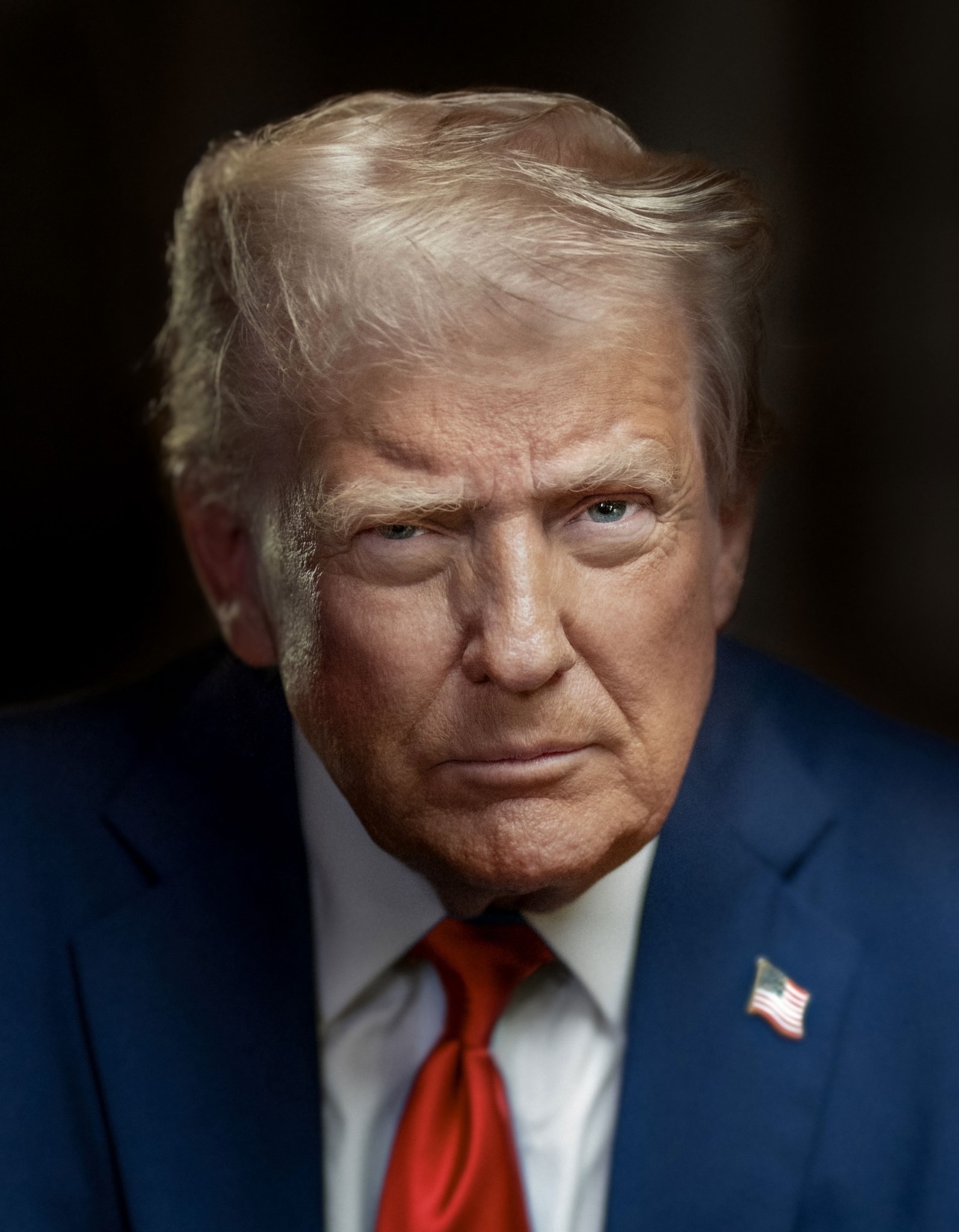
President Trump denounced a Massachusetts federal judge’s decision voiding his administration’s $100,000 fee proposal for H-1B visa petitions, saying courts are “giving us a very, very hard time,” after the policy was ruled beyond presidential authority.
A federal judge in Massachusetts struck down President Trump’s administration policy that would have required a $100,000 fee on certain H-1B visa petitions, and Trump responded Tuesday by criticizing the judge and the court process.
The decision, issued by U.S. District Judge Leo T. Sorokin in a case brought by a coalition of states, found the policy “imposes a tax on H-1B petitions without the requisite delegation by Congress,” according to reporting on the ruling. The court concluded the president lacked authority to levy a new tax through the proclamation at issue, the reports said.
After the ruling, Trump addressed reporters in New York before boarding Air Force One and said, “They are giving us a very, very hard time,” adding, “It is really crazy what’s going on with the court system,” The Hill reported.
The fee would have applied as part of the administration’s changes to the H-1B program for “highly skilled” workers, which allows U.S. employers to petition to hire noncitizens in specialty occupations for limited periods. Reporting on the case described the program as commonly used by sectors including technology, healthcare, and universities.
According to CT Mirror’s account of the ruling, the policy had been imposed through an administrative action that the states challenged after the administration said the increased fee was intended to address program integrity and workforce impacts. A Department of Homeland Security spokesperson, quoted in follow-up reporting, said the agency disagreed with the ruling and characterized it as “judicial activism.”
CT Mirror reported that the lawsuit was filed by 20 states, including California, Massachusetts, Arizona, Colorado, and Connecticut. The reporting also said the judge ruled the policy void in its entirety, meaning the $100,000 requirement would not be enforceable under the decision unless it is stayed or reversed.
The court action leaves employers and petitioners without the additional $100,000 charge while the case proceeds through the legal system. The ruling also reinforces the limits on executive efforts to impose new financial burdens through proclamation where courts find Congress did not delegate such authority.
Why It Matters
- The decision turns on separation-of-powers and the question of whether the executive branch can impose a fee that a court characterizes as a tax without explicit congressional authorization.
- If the ruling remains in effect, it prevents the additional $100,000 cost from being collected under the blocked H-1B fee policy, affecting employers, universities, and hospitals that rely on the H-1B petition process.
- Because the order is described as voiding the policy in its entirety, it limits the administration’s ability to implement that specific financial requirement absent further legal changes.
- The exchanges between the White House and the judiciary underscore how quickly litigation can reshape administration immigration tools, even when the administration argues the policy serves program integrity and workforce goals.
Sources
Key Facts
- A federal judge in Massachusetts, Leo T. Sorokin, struck down the administration policy creating a $100,000 fee for certain H-1B visa petitions, according to reporting on the decision.
- Reporting on the ruling said the judge found the fee was an unlawful tax not supported by the necessary congressional delegation.
- The states’ lawsuit described the policy as beyond presidential authority, and CT Mirror reported it was filed by 20 states including California, Massachusetts, Arizona, Colorado, and Connecticut.
- After the ruling, President Trump criticized the judge and the courts, telling reporters “They are giving us a very, very hard time,” according to The Hill.
- A Department of Homeland Security spokesperson, quoted in reporting, said the administration disagreed with the ruling and characterized it as “judicial activism,” according to CT Mirror.