
THE APEX TIMES
Prosecutors said they uncovered an alleged plan connected to an upcoming UFC fight on the White House grounds, with charges filed against at least five defendants.
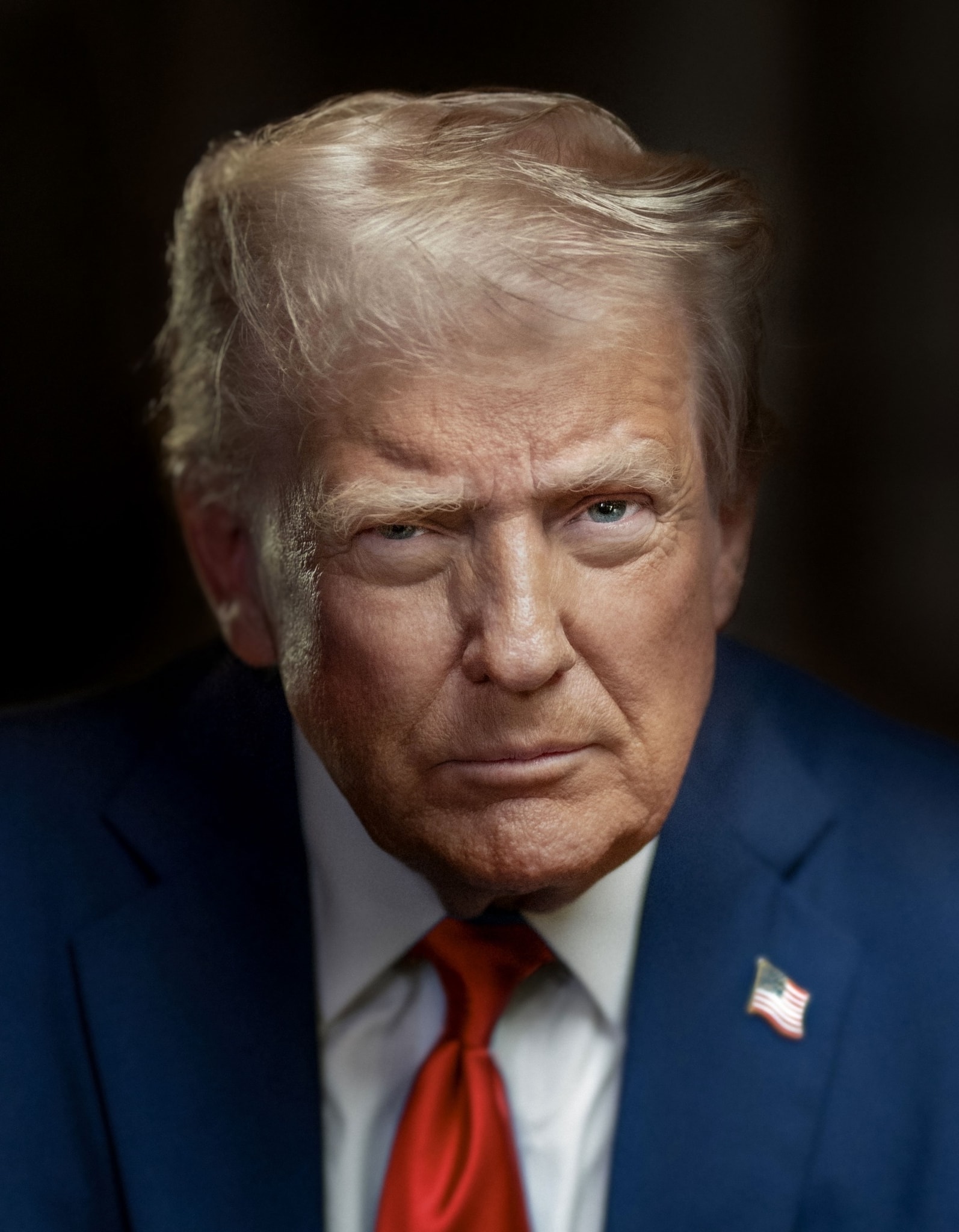
Federal prosecutors charged at least five people in connection with an alleged plot involving President Donald Trump and others attending a UFC fight held on the White House lawn, CBS News reported on June 16.
According to the report by Ed O’Keefe, investigators moved to “foil” what prosecutors described as a plan targeting the president and “countless others” associated with the event, which was scheduled for Sunday. The charges were filed as the White House security posture focused on managing a high-profile public gathering in an area under tight federal protection.
The CBS report did not identify all of the defendants by name or specify the exact count structure in the case, but it described the filing as encompassing at least five people and framing the matter as a plot to kill Trump and people expected to be present at the UFC cage fight. It also said federal authorities moved through the charging process in advance of the event.
In federal criminal cases, once charges are filed the allegations proceed through court procedures that typically include arraignments, motions practice, and possible detention hearings before trial. If prosecutors seek pretrial detention or other restrictions, a judge would need to decide those requests under federal criminal procedure.
For the White House and Secret Service, the timing of the charges is likely to have immediate operational significance. Federal law enforcement typically coordinates with the Secret Service and other agencies on protective measures for public events, including crowd-control planning, access management, and screening procedures, particularly when an event is held within the security perimeter around the executive mansion.
The allegations, as described in the reporting, also carry due-process implications for any accused individuals. The filed counts represent prosecutors’ claims, not findings of guilt, and the case would be expected to turn on evidence presented in court, including witness testimony, investigative records, and any physical or digital evidence supporting the government’s theory.