
THE APEX TIMES
A House Ways and Means Committee hearing in February examined concerns about foreign influence activity in the U.S. nonprofit sector, including questions raised about links described by organizers as tied to Beijing and other foreign actors.
The House Ways and Means Committee convened a February hearing focused on what officials described as foreign influence in American nonprofits, according to coverage of the session. The hearing was titled “Foreign Influence in American Nonprofits: Unmasking Threats from Beijing and Beyond,” and it centered on concerns that some tax-exempt organizations may be exposed to or used for foreign influence efforts.
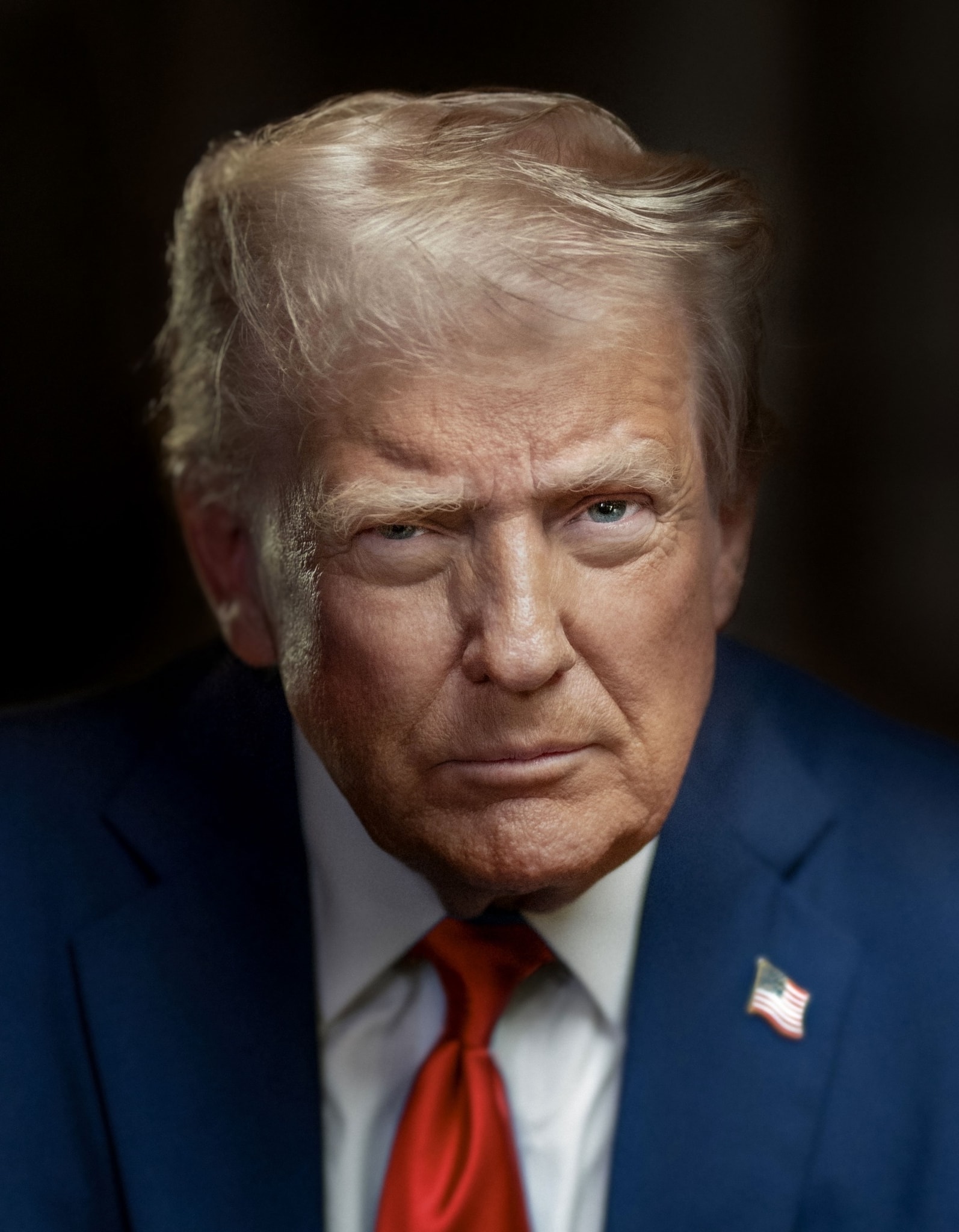
According to the reporting, Democrats on the committee sought to characterize the discussion as tied to broader political disputes, including efforts to redirect attention toward former President Donald Trump’s supporters and debates about free speech. The account indicates that the hearing’s framing created a dispute over whether the committee’s focus on foreign influence was being handled in a politically selective way.
The Ways and Means Committee is the House panel with jurisdiction over many tax-related matters, including oversight connected to the federal tax treatment of nonprofit organizations. The hearing’s subject matter therefore intersects with questions of how the Internal Revenue Service and Congress evaluate nonprofit status, related disclosures, and compliance obligations for groups seeking or maintaining tax-exempt designation.
Public concern about foreign influence in nonprofit activity often turns on practical questions of process and enforcement, such as who funds particular organizations, what information is required to disclose funding and governance relationships, and what steps are available when groups fail to comply with existing rules. The February hearing highlighted those issues through the lens of potential foreign interference risks.
The hearing also sits at the intersection of constitutional and administrative concerns. Discussions about nonprofit activity can raise questions about due process and limits on government authority, particularly where disclosure and enforcement are proposed without specific findings about individual organizations. The reporting described that committee members debated the appropriate approach, with some arguing the topic should focus on foreign connections rather than broader political conflict.
Next steps, based on the hearing’s focus, would typically involve the committee considering whether existing statutory and regulatory frameworks for tax-exempt oversight are sufficient. Any resulting legislative proposals or oversight activity would depend on the committee’s access to evidence, the scope of witnesses’ testimony, and whether lawmakers identify compliance gaps that can be addressed through changes to tax law or nonprofit governance requirements.