
THE APEX TIMES
The former Georgia congresswoman criticized the Trump administration’s messaging around ending “endless wars,” pointing to a recent NBC interview in which Trump denied he is campaigning on avoiding foreign conflicts and cut the interview short during follow-up questions, according to her comments.
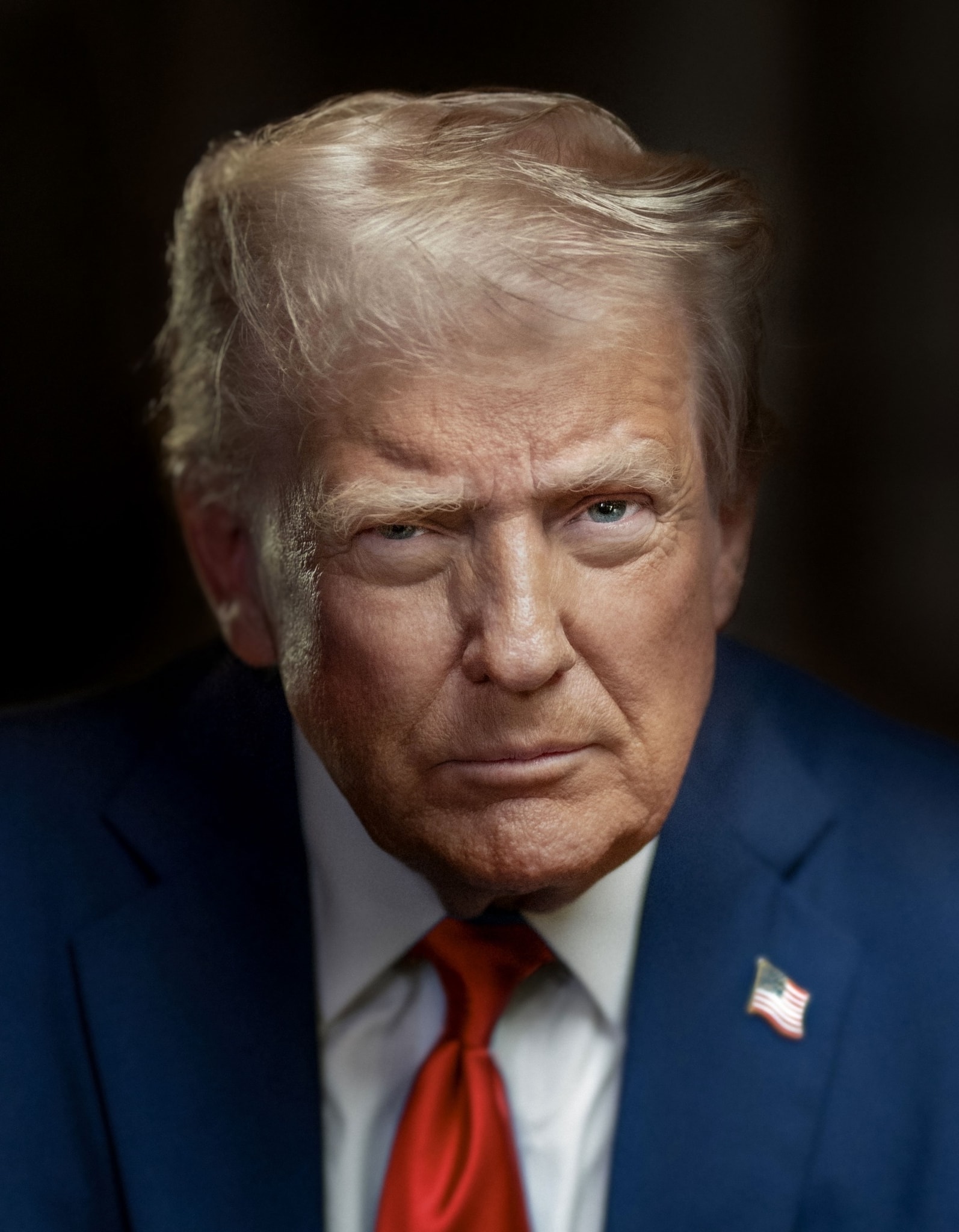
Former Rep. Marjorie Taylor Greene said Wednesday that President Trump’s team is “making him look like a fool” for not following through on campaign promises to withdraw from foreign wars and conflicts.
Greene made the remarks as she criticized Trump’s recent appearance on NBC, where she said Trump denied he was campaigning on avoiding “endless” wars. She also described an abruptly ended interview, saying it came after NBC asked follow-up questions tied to whether Trump was pledging to end such conflicts, according to her account.
Greene’s comments add to an internal strain within the Republican coalition over how Trump should frame foreign policy commitments, and whether his public assurances during the campaign align with his public messaging after taking office.
The dispute is focused on whether Trump is communicating an intent to reduce U.S. involvement in overseas conflicts, a message Greene has previously emphasized in her own public statements. In her Wednesday comments, she attributed the inconsistency to actions or messaging choices by Trump’s team, rather than making a direct allegation about specific policy implementation steps, based on how she characterized the exchange.
NBC’s interview, as described in Greene’s remarks, featured a line of questioning that the president rejected or contested, followed by Trump ending the interview. The Hill reported Greene as saying that sequence undermined the president’s credibility on the issue she said he campaigned on.
Greene’s criticism comes as lawmakers and political figures continue to test how closely the administration’s foreign policy posture matches campaign language about reducing what critics describe as open-ended U.S. military commitments abroad. Whether that gap narrows or widens could depend on subsequent administration statements, formal policy actions, and any legislative changes related to war authorization or funding priorities, but no specific legislative or operational action was cited in the reporting summarized by The Hill.