
THE APEX TIMES
Thune says Senate Republicans lack votes to bypass filibuster for SAVE America Act
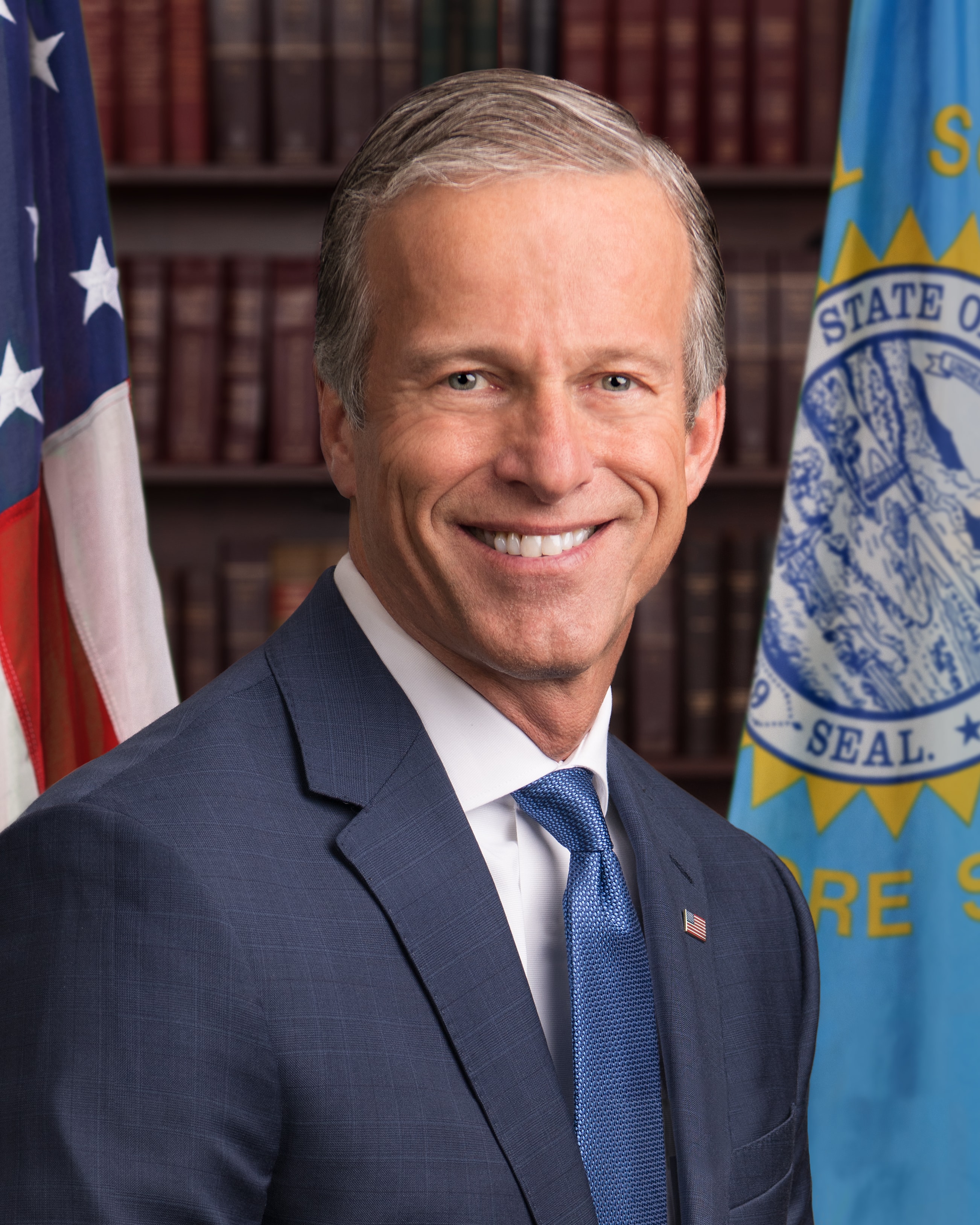
Senate Majority Leader John Thune said his conference does not currently have enough support to end debate on the Safeguard American Voter Eligibility Act, limiting prospects for moving the measure under existing Senate rules.
Senate Majority Leader John Thune said Tuesday that the votes currently are not there in the Senate to bypass the filibuster in order to pass the Safeguard American Voter Eligibility (SAVE) Act, placing a near-term ceiling on how quickly the measure can advance even with Republican control of the chamber.
Speaking as lawmakers weigh whether to change the procedures around advanced debate, Thune said the only path to enact the legislation would require altering the filibuster itself. In remarks reported by The Hill, Thune said, “The only way you can get … this done is to nuke the legislative filibuster,” and added that Republicans are “not” close to that threshold.
Thune’s comments underscore the practical effect of the Senate’s filibuster rule. In the Senate, ending debate on most legislation typically requires a supermajority vote to invoke cloture, which means a bill often cannot clear the floor if it lacks at least 60 votes. Without sufficient support to reach that level, major legislation can stall regardless of whether it has majority backing or the number of elected officials in the majority party.
The SAVE Act is a Senate measure with the title Safeguard American Voter Eligibility, a description that indicates the policy goal of tightening or clarifying eligibility standards related to voting. However, Thune’s statement focused less on the bill’s substantive provisions than on the procedural votes required to force a final consideration of the legislation.
By tying passage prospects to whether lawmakers can eliminate or bypass the filibuster, Thune effectively highlighted that internal vote math, rather than committee momentum or scheduling, will be the determining factor for whether the bill can reach the finish line this Congress.
Thune’s position also tees up an immediate procedural question for Senate leadership: whether to continue efforts to secure enough support for cloture on the SAVE Act under current rules, or to pursue broader changes to Senate debate practices that would be needed to move legislation without the same supermajority requirement.
As Thune indicated his conference lacks the votes now to remove the filibuster barrier, the next steps for supporters of the SAVE Act will likely depend on whether additional senators come into reach for cloture, or whether leadership decides the chamber will take up broader procedural reforms.
],
keyFactsiversionCheckByApexTimesDeskPlaceholder?
keyFactsCheckIgnore
Why It Matters
- If the Senate lacks the supermajority needed to overcome debate, the SAVE Act may not reach a final vote even if it can be considered on the floor.
- Thune’s comments shift attention from bill content to Senate procedure, highlighting how internal vote counts can block legislation under existing rules.
- Any move toward eliminating or modifying the legislative filibuster would require broader, explicit action by senators, not just scheduling decisions by leadership.
- The procedural hurdle could affect timelines for related election administration debates, depending on how leadership chooses to proceed with cloture or procedural reform efforts.
Sources
Key Facts
- Senate Majority Leader John Thune said Tuesday that Republican conference votes are not sufficient to bypass the filibuster to pass the Safeguard American Voter Eligibility (SAVE) Act.
- Thune said the only way to get the SAVE Act passed would require ending or eliminating the legislative filibuster.
- Thune said Republicans are not currently close to having the necessary votes to change the filibuster.
- The remarks were reported by The Hill in connection with Senate deliberations over procedural options for passing legislation.