
THE APEX TIMES
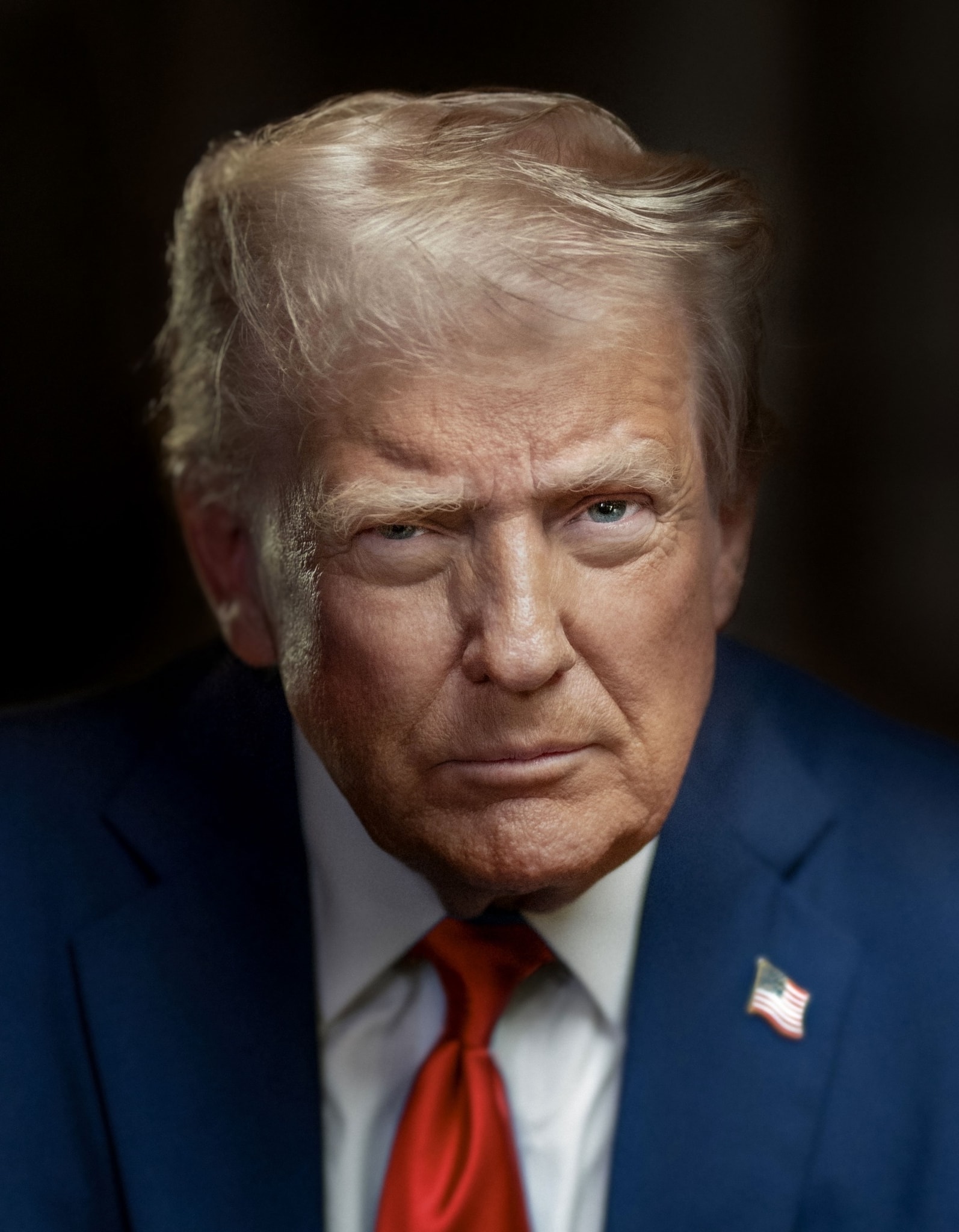
President Trump used remarks from the Oval Office to attack Sen. Mitch McConnell and Sen. Lisa Murkowski, and said he was concerned about whether there would be sufficient Republican backing in Congress for a supplemental bill tied to funding for an Iran-related war effort.
President Trump on Thursday criticized Sen. Mitch McConnell (R-Ky.) and Sen. Lisa Murkowski (R-Alaska) in remarks delivered from the Oval Office, deriding McConnell as an “angry man” and expanding on his grievances with the former Senate Republican leader, according to The Hill.
During the remarks, Trump addressed the prospects for congressional action on a supplemental funding measure that would support an Iran war effort, The Hill reported. Trump said he was asking whether there would be enough support among Republicans in Congress to move such a bill.
The remarks come as Congress continues to consider funding priorities and war-related spending, with supplemental legislation often used to provide additional resources outside regular appropriations cycles. In those negotiations, Republican and Democratic divisions can shape whether specific spending packages reach the president’s desk.
Trump’s Oval Office comments also highlighted intra-party friction inside the Senate Republican conference. McConnell, as a former top Senate Republican leader, has frequently been a focal point in disputes over legislative strategy and the pace of moving major bills.
The Hill also reported Trump’s criticism alongside mention of Sen. Lisa Murkowski, indicating Trump was focusing on Senate Republicans whose positions or negotiating posture have differed from his preferences on major national security legislation.
No additional legislative details were provided in the report beyond the existence of a supplemental bill associated with funding for an Iran war effort and the question of whether Republican support would be sufficient to pass it.
With the remarks tied to prospective congressional consideration, the immediate next step would be whether congressional leadership and the White House can align on the funding package’s scope and the coalition needed to secure passage.
If a supplemental measure advances, it would be subject to standard congressional process, including committee review, floor votes in the House and Senate, and any conference or reconciliation steps required to reconcile differences between chambers, before the president can sign or veto the final text.