
THE APEX TIMES
White House says reported Iran MOU text differs from agreement Trump plans to sign in person Friday
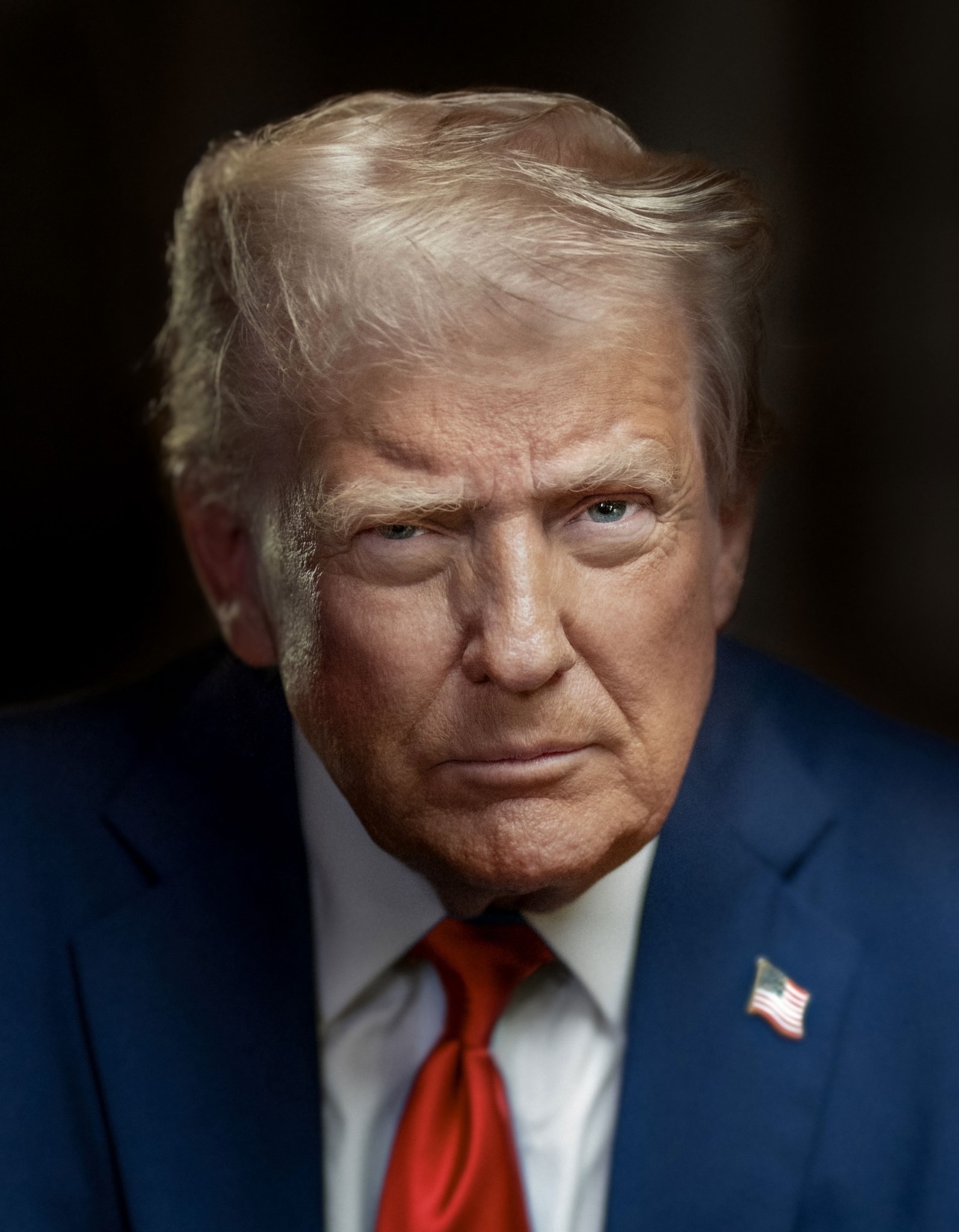
President Donald Trump is set to sign, in-person, an agreement intended to end the Iran war during a Washington-and-Tehran ceremony Friday, with the administration disputing the accuracy of a reported 14-point memorandum of understanding text published by outlets including Bloomberg and CNN.
President Donald Trump has said the text of his agreement to end the Iran war will not be released publicly until it is signed in person by officials in Washington and Tehran on Friday, according to reporting that also describes a competing set of details circulating from the draft. In the meantime, outlets including Bloomberg and CNN have reported that they obtained a 14-point memorandum of understanding and have published portions of that reported language.
White House communications director Steven Cheung said Wednesday morning that the reported text obtained by news organizations “does not reflect the language” of Trump’s agreement. Cheung did not, in the reporting available here, provide a full replacement text or a point-by-point correction, but the statement indicates the administration views the leaked or obtained draft as inaccurate relative to the final version expected to be signed Friday.
The administration’s position places emphasis on process and timing. Trump’s statement, as described in the report, is that the agreement text will be released only after signatures occur during the in-person event, implying the administration is separating negotiation status from public documentation.
The reported 14-point memorandum of understanding is being treated by journalists as the core document describing the agreement’s terms, including how the parties would proceed once the text is finalized. However, Cheung’s denial that the reported language matches the agreement suggests the circulating version may differ in substantive commitments, sequencing, or drafting details that could affect implementation.
As of Wednesday, the available record described in the report centers on two parallel timelines. One timeline involves the administration’s stated plan to release the final agreement only after Friday’s signatures. The other involves the publication by major outlets of a reportedly obtained 14-point version before the signing, prompting the White House to challenge its accuracy.
The next step will be the Friday in-person signing itself and the subsequent public release of the agreement text, which, if it matches Cheung’s account, would supersede what Bloomberg and CNN have published. Until then, the gap between the administration’s description and the reported 14-point version leaves key questions about exact commitments and how the agreement will be implemented unresolved in the public record.
Why It Matters
- The dispute over whether a reported 14-point draft matches the final agreement could affect public understanding of the precise commitments and sequencing once the parties begin implementation.
- Tying public release to the moment of signature places document timing under White House control, shaping when lawmakers, courts, and affected agencies can review the operative language.
- If the circulated text is inaccurate, downstream reporting and stakeholder planning based on the earlier version could need adjustment, creating uncertainty about compliance obligations.
- A final, publicly released agreement text could determine how any subsequent enforcement, monitoring, or related diplomatic steps are carried out, depending on the exact provisions in the signed memorandum.
Key Facts
- President Donald Trump said the agreement text would not be released publicly until it is signed in person by Washington and Tehran on Friday.
- News outlets including Bloomberg and CNN reported they obtained a 14-point memorandum of understanding and published parts of that reported text.
- White House communications director Steven Cheung said Wednesday morning the reported language “does not reflect the language” of Trump’s agreement.
- The administration’s public-facing timeline, as described in the report, ties document release to the Friday signing event rather than earlier disclosure.
- The public documentation question will turn on what is actually signed Friday and what the administration releases afterward.